

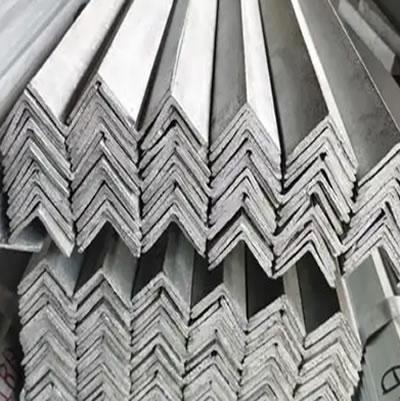


This material can be divided into equal-leg and unequal-leg angle steels based on shape, with Q235B carbon structural steel being a common material [2]. In its production process, hot galvanizing involves processes such as acid pickling, dipping in flux, and rack galvanizing, while cold galvanizing requires mechanical rust removal to achieve the required roughness before applying zinc filler [4] [7]. Both methods possess advantages such as resistance to mechanical damage and full-surface protection, and are widely used in fields such as power towers, building steel structures, and traffic protection [6] [8]. A typical example is the use of galvanized angle steel in the framework of the Canton Tower, which balances strength and structural stability.
This material can be divided into equal-leg and unequal-leg angle steels based on shape, with Q235B carbon structural steel being a common material [2]. In its production process, hot galvanizing involves processes such as acid pickling, dipping in flux, and rack galvanizing, while cold galvanizing requires mechanical rust removal to achieve the required roughness before applying zinc filler [4] [7]. Both methods possess advantages such as resistance to mechanical damage and full-surface protection, and are widely used in fields such as power towers, building steel structures, and traffic protection [6] [8]. A typical example is the use of galvanized angle steel in the framework of the Canton Tower, which balances strength and structural stability.
Previous:angle steel
Next :Copper tube