



Mobile Browsing
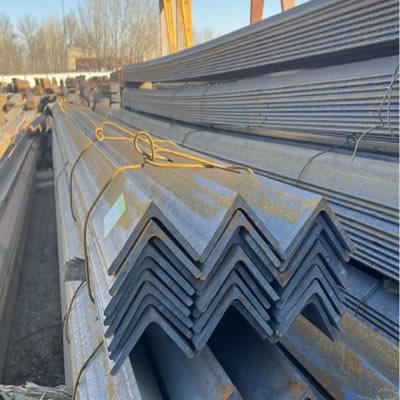
The specifications of angle iron are expressed in terms of the dimensions of side length and side thickness. The specifications of domestic angle iron range from No. 2 to No. 20, with the number indicating the centimeter of side length. For the same specification, there are often 2 to 7 different side thicknesses. Imported angle iron indicates the actual dimensions of both sides and the side thickness, along with the relevant standards. Generally, angle iron with a side length of more than 12.5cm is considered large
The specifications of angle iron are expressed in terms of the dimensions of side length and side thickness. The specifications of domestic angle iron range from No. 2 to No. 20, with the number indicating the centimeter of side length. For the same specification, there are often 2 to 7 different side thicknesses. Imported angle iron indicates the actual dimensions of both sides and the side thickness, along with the relevant standards. Generally, angle iron with a side length of more than 12.5cm is considered large
Angle steel can be composed into various load-bearing components according to different structures, and can also serve as connectors between components. It is widely used in various architectural and engineering structures, such as beams, bridges, transmission towers, lifting and transportation machinery, ships, industrial furnaces, reaction towers, container racks, cable trench supports, power piping, busbar support installation, and warehouse racks. Angle steel is a carbon structural steel used in construction, which is a simple section steel mainly used for metal components and the framework of factories. It requires good weldability, plastic deformation performance, and a certain degree of mechanical strength during use. The raw material billet for producing angle steel is low-carbon square billet, and the finished angle steel is delivered in hot-rolled, normalized, or hot-rolled state.
Previous:First
Next :Galvanized angle steel